Last week, I had the privilege of speaking at the Essence of Africa 2025 conference in Malindi, Kenya — a whose goal is to Unlock Africa’s tourism potential and forge meaningful new partnerships.
Bahari Hai had the privilege of presenting in their content session on the final day.
My presentation, titled “Living Oceans, Thriving Tourism: Conservation Lessons from Kenya’s Coast,” was a heartfelt invitation to see our coastline not just as a destination, but as a living, breathing ecosystem — one that sustains millions and holds the key to a resilient, blue future.
I began with a beautiful photo from Mida Creek in Watamu — a place where turquoise waters meet whispering mangroves, sharing stories of their resilience. This is the Kenyan coast: stretching over 500km from Somalia to Tanzania, it’s a jewel of Africa’s blue heritage. It’s home to over 2,000 fish species, vibrant coral reefs, and iconic marine life like sea turtles, dolphins, and whales. But it’s also home to the “little dudes” — the less glamorous but equally vital species that keep our ecosystems balanced.
Yet, beneath this beauty lies a sobering reality. Overfishing has depleted stocks by up to 50% in some areas. Plastics choke marine life. Unchecked coastal development erodes habitats. These aren’t distant threats — they’re happening now, and they’re hitting the communities who depend on the ocean the hardest.
But there is hope.
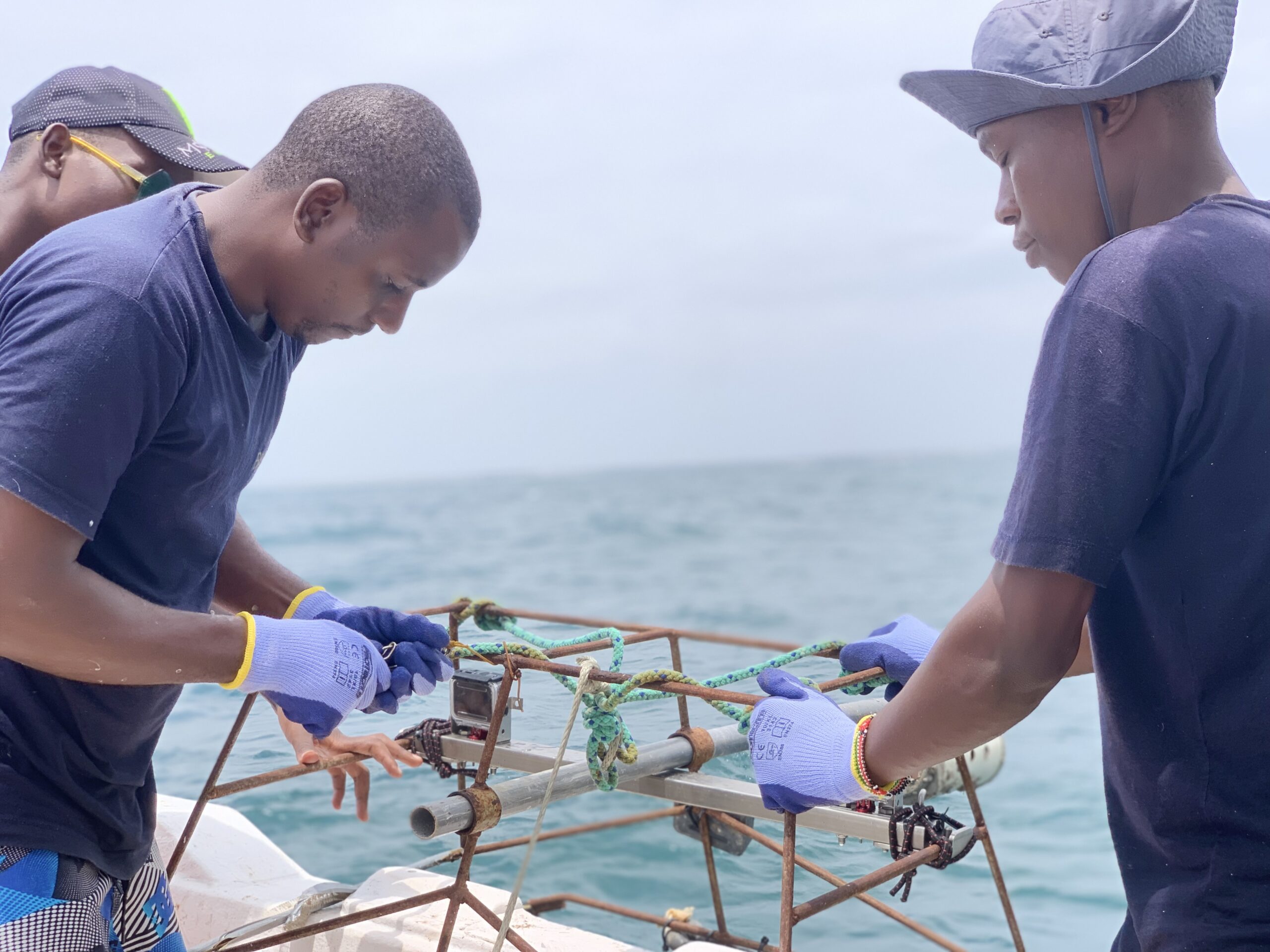
I spoke about the power of responsible tourism — how it can transform threats into opportunities. Marine Protected Areas like Malindi and Watamu Marine Park have shown us that enforced no-take zones can revive fish stocks, attract tourists, and generate revenue for conservation. At Bahari Hai, we support fisher communities in creating and managing their own protected areas. These models only work when livelihoods are sustained — and tourism spend is a key part of that equation.
Responsible tourism doesn’t just visit — it heals. It turns visitors into stewards. And everyone in that room — operators, travelers, investors — is part of the bridge to balance.
After my talk, I handed over to Sammy Safari who hosted a seaside chat with fellow colleagues and conservationists – all who shared the common link of working with the tourist sector to enable and support their conservation work. Their stories brought the message home. They spoke of their personal stories. The beauty of their natural spaces and the work they do to help protect them. They showed how tourism, when done right, empowers communities and protects ecosystems.
Together, we called for collective change. The ocean’s challenges are real, but our power to respond is greater.
As we embrace Africa’s essence, let’s envision a future where our oceans thrive alongside a booming, responsible tourism sector.