
the power of knowledge
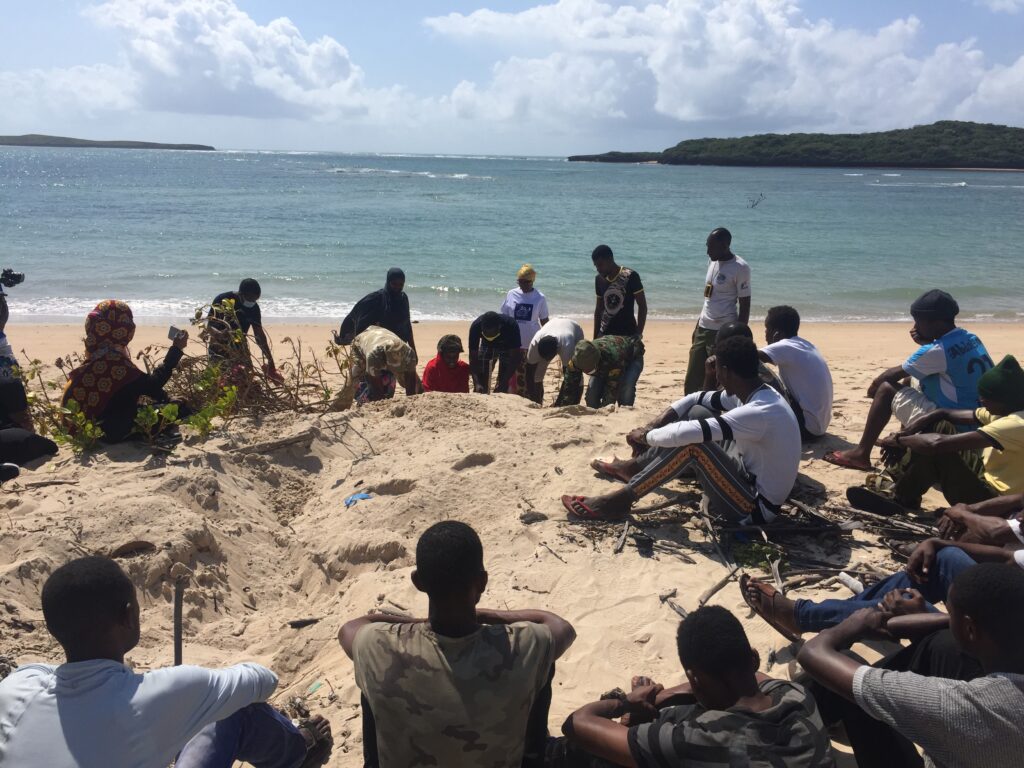
At Bahari Hai, we believe that education plays an important role in conservation. Working in a community that relies on fishing as their livelihood, means that we have a lot of explaining to do when it comes to ocean life.
There is a high dependency on fishing and tourism for livelihoods. We believe that the ‘historical’ way of doing things is detrimental in the long. That way resources are not sustainably managed, leading to loss in biodiversity, loss in fishing catches and even loss in touristic appeal. That is something we have to explain. Mainly in words and images, but always backed up with hard numbers.
Different people have different roles and different stakes. Therefore we target different groups within this community with different approaches, specifically tailored to their situation.
We are busy developing, extending and improving our education programs. Engaging, experiential educational content forms the foundation of our approach.
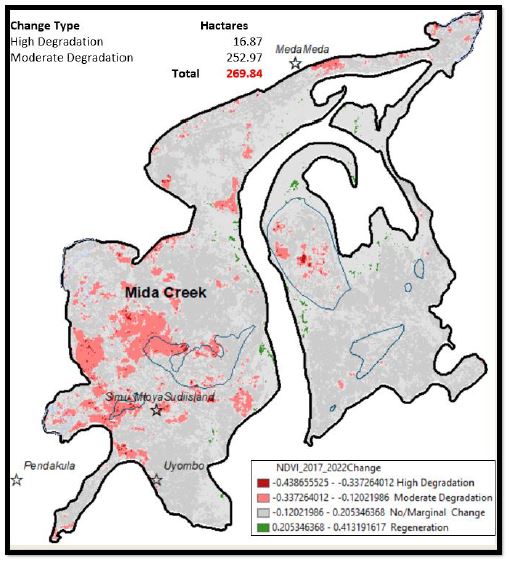
Status of mangrove degradation in Mida Creek mangrove ecosystem In October 2022 we participated in assessing the the status of mangrove ecosystem …
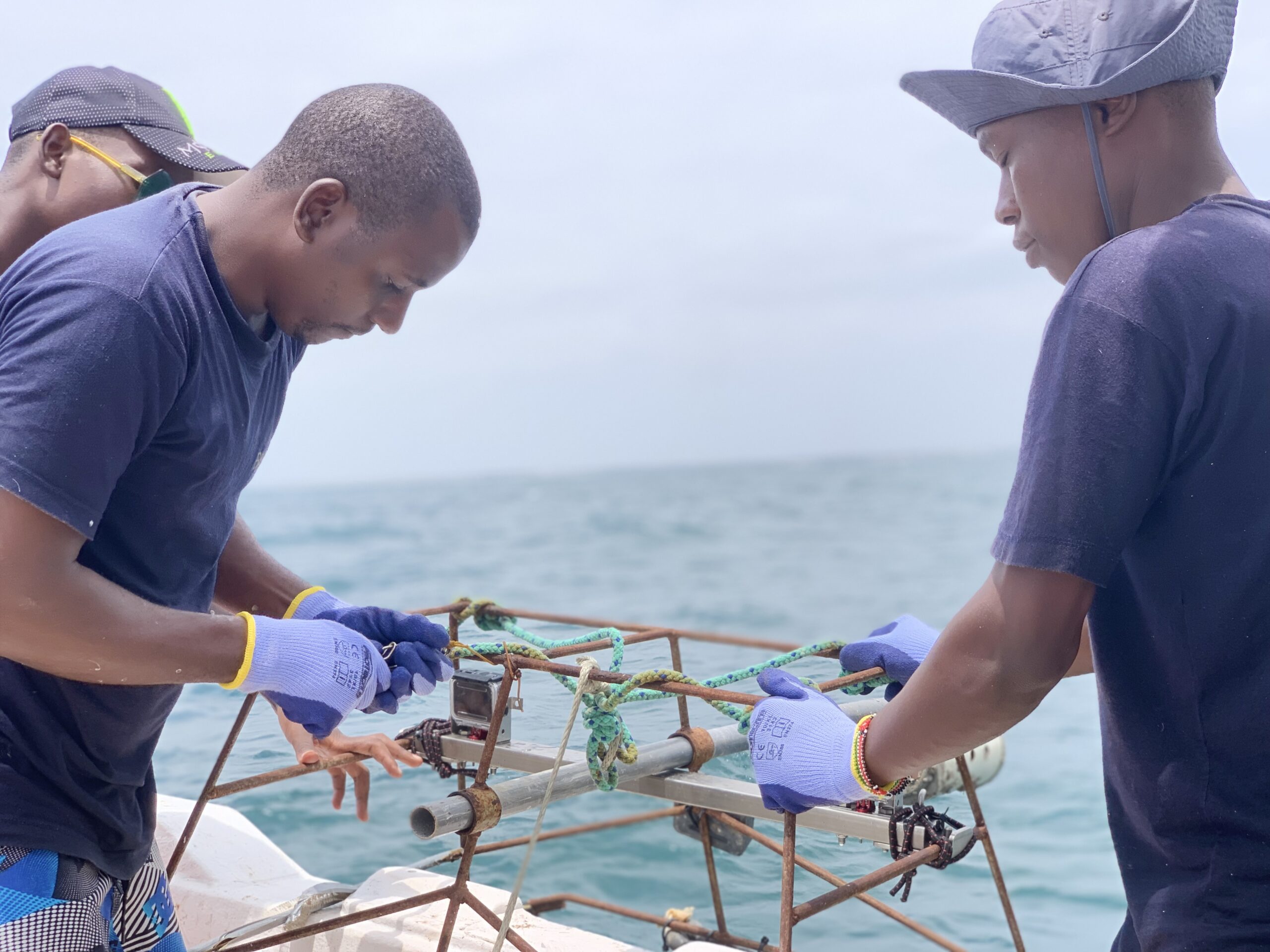
Earlier this year we began our first deployments of the Kenya BRUV project. It is part of a broader project led by …
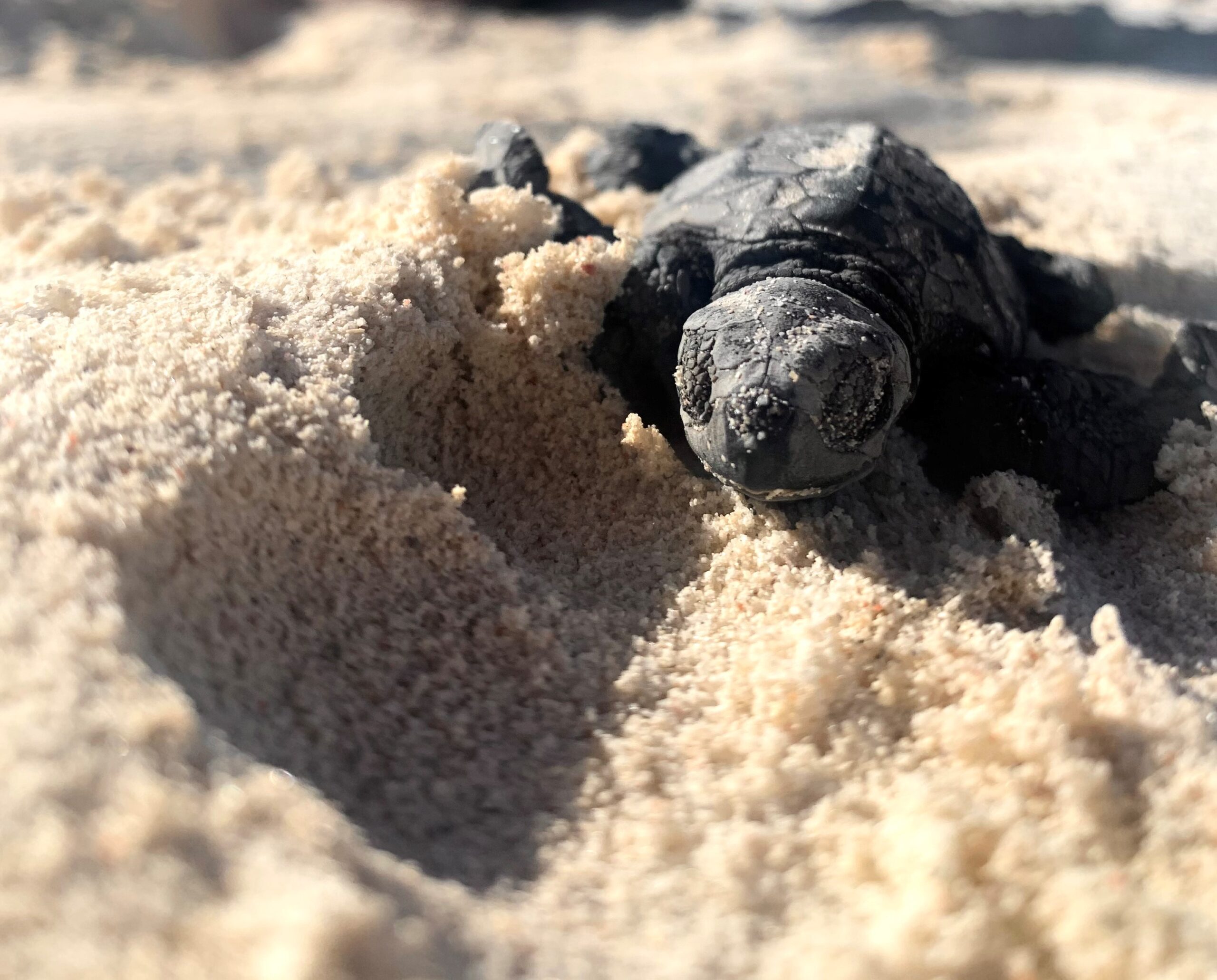
Although published literature regarding the 5 species of marine turtle found along the continental African east coast has grown substantially over the last decades, a comprehensive synthesis of their status and ecology is lacking. Using a mixed methods approach, which com- bined an exhaustive literature review and expert elicitation, we assessed the distribution and magnitude of nesting, foraging areas, connectivity, and anthropogenic threats for these species in Somalia, Kenya, Tanzania, Mozambique, and South Africa. A complex pattern of nesting sites, for- aging areas, and migration pathways emerged that identified areas of high importance in all 5 countries, although significant data gaps remain, especially for Somalia. Illegal take, bycatch, and loss of foraging and nesting habitat were identified as the most serious anthropogenic threats. Although these threats are broadly similar along most of the coast, robust data that enable quan- tification of the impacts are scarce. Experts identified regional strengths and opportunities, as well as impediments to turtle conservation. Topics such as legislation and enforcement, collaboration, local stakeholders, and funding are discussed, and future directions suggested. Given the pro- jected growth in human population along the continental African east coast and expected accom- panying development, anthropogenic pressures on turtle populations are set to increase. Stronger regional collaboration and coordination within conservation and research efforts are needed if current and future challenges are to be tackled effectively.